heritage

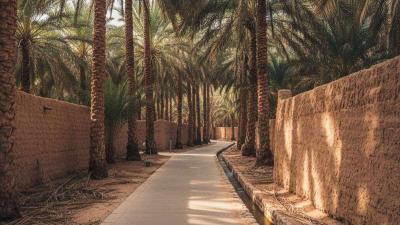
Al Ain Oasis

Al Ain Oasis is the largest of seven oases in the inland city of Al Ain and a UNESCO World Heritage Site since 2011. Some 147,000 date palms across 1,200 hectares are still irrigated by an ancient falaj system that has been in continuous use for thousands of years. Entry is free and the shaded walking loops make it a year-round day-trip from Abu Dhabi or Dubai.
Submitted on

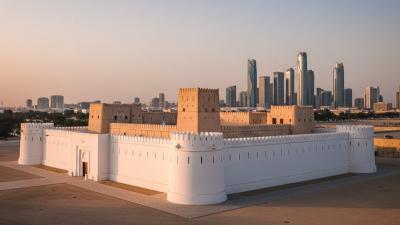
Qasr Al Hosn

Qasr Al Hosn is the oldest standing building in Abu Dhabi city — a watchtower built around 1761 to guard the island's first freshwater well, expanded into the seat of the Al Nahyan ruling family, and reopened in 2018 as a museum after an 11-year restoration. The complex covers the inner fort, the white outer palace, the Cultural Foundation, and the working House of Artisans.
Submitted on

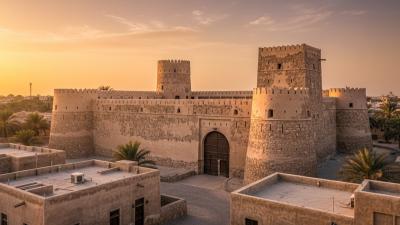
Ajman Museum

Ajman Museum occupies Al Hisn Ajman, a coral-stone fort built around 1775 that served as the ruling Al Nuaimi family's residence and later as the Ajman police headquarters. Converted to a museum in 1981 and reopened to the public in 1991, it is the smallest of the Northern Emirates fort-museums but among the most atmospheric, with strong weapons, manuscripts, and pearling collections.
Submitted on

Al Bidya Mosque

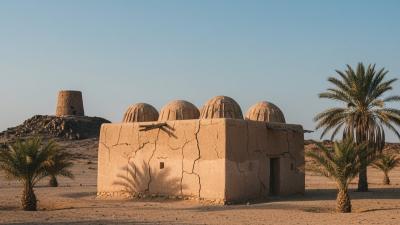
Al Bidya Mosque, also called the Ottoman Mosque, is the oldest known mosque still standing in the UAE — a hand-formed mud-brick building dated to roughly 1446 AD on Fujairah's east coast. Its four small domes, central column, and adjacent hilltop watchtowers make it the country's most important early-Islamic monument. Free to visit and still in active use for prayer.
Submitted on